


What Is Lactobacillus Plantarum?
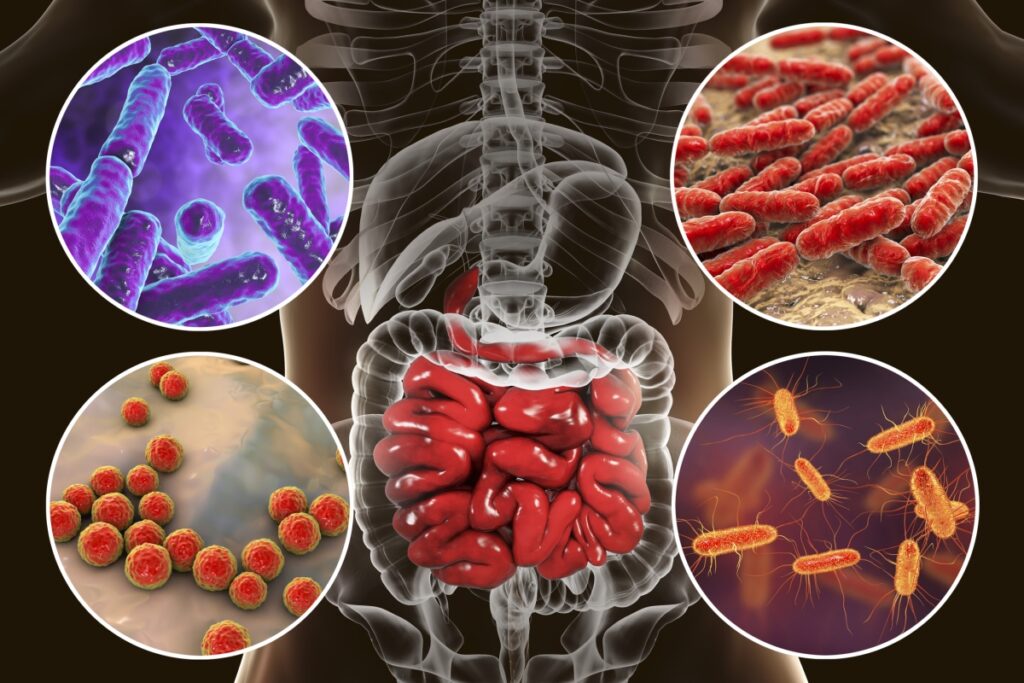
Lactobacillus plantarum (L. plantarum) is a lactic acid bacteria that does not produce gas. It’s a popular strain in dairy, meat, and vegetable fermentation and as a supplemental probiotic. As a probiotic, it is fantastic because of its diverse effects on gut health, metabolic diseases, and the brain. [custom-citation id="ref-1"]
Lactobacillus Plantarum Benefits
Promote A Healthy Gut Flora
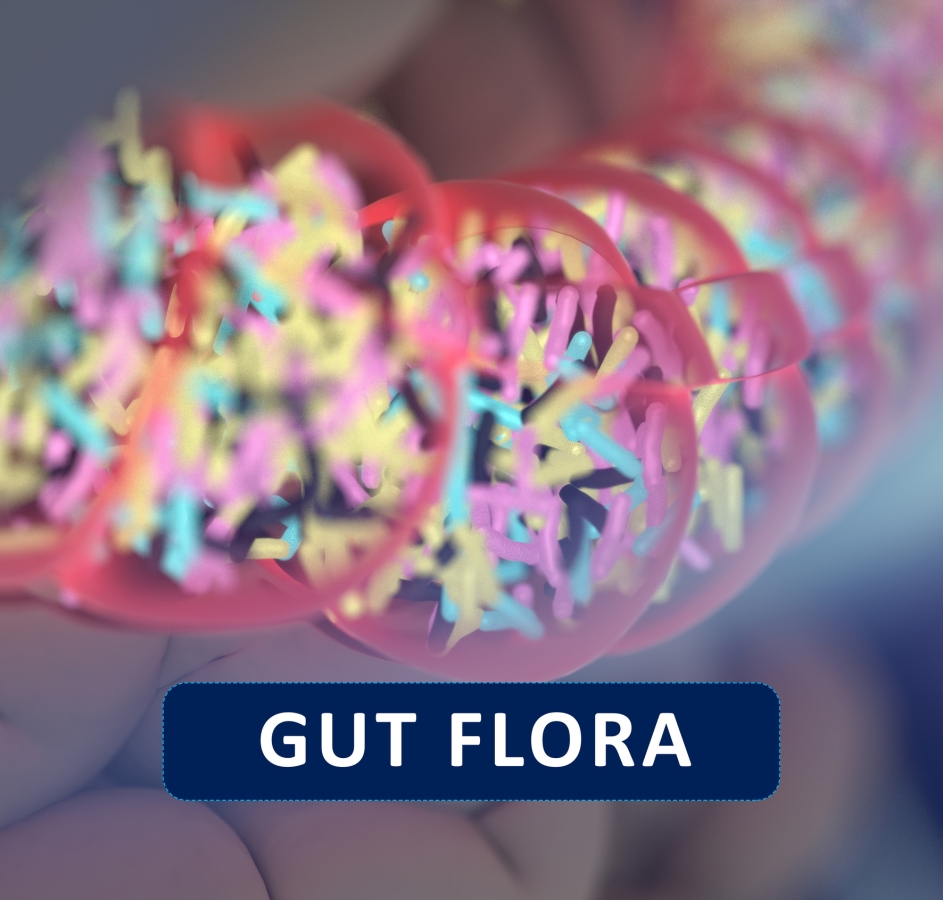
Not all probiotics effectively promote a healthy gut flora. L. plantarum is a special strain because it increases gut flora diversity and reduces bad bacteria. Gut flora diversity is important because when you have more diverse gut flora, your gut flora becomes more resistant to infections. Not only will your gut bacteria become more robust, but it also prevents pathogens from invading your gut flora.[custom-citation id="ref-2"][custom-citation id="ref-3"]
Promotes A Balanced Immune Response
Prebiotics and probiotics work together to optimize your health.
When your body encounters pathogens, L. plantarum can enhance immune response.[custom-citation id="ref-4"] T cells are white blood cells that grow up in the thymus..
Most T cells help kill pathogens and infected cells. However, there is a special type of T cell called regulatory T cells that ensures the immune responses shut off after an infection, preventing chronic inflammation.[custom-citation id="ref-5"]
Regulatory T cells also keep your immune system from attacking your own cells, foods, and seemingly harmless allergens. Through local and systemic interactions with the mucosal immune system, probiotics such as L. plantarum boosts regulatory T cells.[custom-citation id="ref-6"]
Regulatory T cells may help reduce leaky gut and gut inflammation, along with autoimmunity and allergies.[custom-citation id="ref-4"]
Sharpens Your Memory
Aging is a natural process that we all have to face one day. With age, our memory might not be as sharp as it once was. While aging is unavoidable, there are many things you can do to keep your brain young and sharp.[custom-citation id="ref-7"] L. plantarum may support healthy brain function, especially in the context of aging.[custom-citation id="ref-8"]
In a placebo-controlled clinical trial of 100 individuals with mild cognitive impairment, the probiotic group received 800 mg of an L. plantarum supplement for 12 weeks. Compared to the placebo group, the probiotic group exhibited longer attention span.[custom-citation id="ref-8"]
Following the probiotic, subjects had increased serum BDNF levels, improving their cognitive function. This clinical trial showed that L. plantarum can improve cognitive function, attention span, and BDNF levels.[custom-citation id="ref-8"]
Reduces Aluminum Absorption
The most common metal in the earth's crust is aluminum. Aluminum exposure can have many negative effects on both people and animals. By using L. plantarum, you can decrease aluminum absorption and protect yourself from aluminum toxicity.[custom-citation id="ref-9"]
This study looked at how L. plantarum can help protect mice from aluminum poisoning. 40 mice were divided into four groups: control, aluminum only, aluminum and L. plantarum, and aluminum with deferiprone (DFP).[custom-citation id="ref-9"]
Treatment with L. plantarum resulted in a substantial drop in death rates, as well as a decrease in intestinal aluminum absorption and aluminum buildup in tissues. L. plantarum therapy has the potential to be a therapeutic dietary approach against acute aluminum poisoning.[custom-citation id="ref-9"]
Cadmium is a toxic element found in the Earth's crust that is steadily making its way into human food. Mice ate an oral cadmium supplement as well as a dose of L. plantarum in this investigation. According to the findings, the probiotic reduced oxidative stress and the amount of cadmium absorbed in the gut.[custom-citation id="ref-10"]
L. plantarum has a high capacity for copper binding and tolerance to copper ions. This study looked at its ability to protect mice from copper toxicity. Mice were placed into two groups: intervention and therapy. Mice in the intervention group ingested L. plantarum and copper together, while mice in the treatment group took only L. plantarum after 4 weeks of copper exposure.[custom-citation id="ref-11"]
The results showed that L. plantarum therapy significantly raised the copper content in stools, promoting copper excretion, reducing copper buildup in tissues, and reversing oxidative stress caused by copper exposure.[custom-citation id="ref-11"]
Improves Iron Absorption
Iron deficiency is common, particularly among young women due to menstruation, low stomach acid, and because iron is difficult to absorb. By improving gut barrier health, L. plantarum may improve iron absorption.[custom-citation id="ref-12"]
The participants of this study are healthy women of reproductive age. Eleven women consumed either a 6.76 oz fruit drink with L. plantarum or a 6.76 oz fruit drink without the probiotic in two trials.[custom-citation id="ref-12"]
The first trial used 10^9 colony-forming units (CFU) of L. plantarum, whereas the second used 10^10 CFU. The probiotic and placebo beverages both included 5 mg of iron in the form of ferrous lactate. The difference in iron absorption between the 10^9 and 10^10 CFU beverages was not statistically significant. L. plantarum can boost iron absorption by around 50%.[custom-citation id="ref-12"]
Here is our best probiotic supplement that you should check out.
Support Heart Health
L. plantarum may promote healthy blood lipids. This is a controlled, randomized, double-blind trial with 60 participants (30 in the placebo group and 30 in the probiotic group) aged 18–65. For 12 weeks, the probiotic group got one capsule per day containing 1·2 × 10(9) CFU of L. plantarum. [custom-citation id="ref-13"]
When compared to the placebo group, the L. plantarum group had healthier blood lipids after 12 weeks of ingestion. The results demonstrate that L. plantarum is beneficial to cardiovascular health.[custom-citation id="ref-13"]

L. plantarum supplementation promotes healthy systolic and diastolic blood pressure.[custom-citation id="ref-14"][custom-citation id="ref-15"]
Short-chain fatty acids produced by bacterial fermentation of fiber in the human colon may promote healthy blood lipids. This was a controlled, randomized, double-blind trial with 36 healthy individuals (18 women and 18 men) aged 35-45.[custom-citation id="ref-14"]
Each day, the probiotic group drank 13.53 oz of a rosehip drink containing L. plantarum. The control group drank the same amount of the product but without L. plantarum. The trial lasted 6 weeks and involved no lifestyle changes.[custom-citation id="ref-14"]
The experimental group had significant reductions in systolic blood pressure, leptin, and fibrinogen. The control group had no such changes.[custom-citation id="ref-14"]
Improves Mood
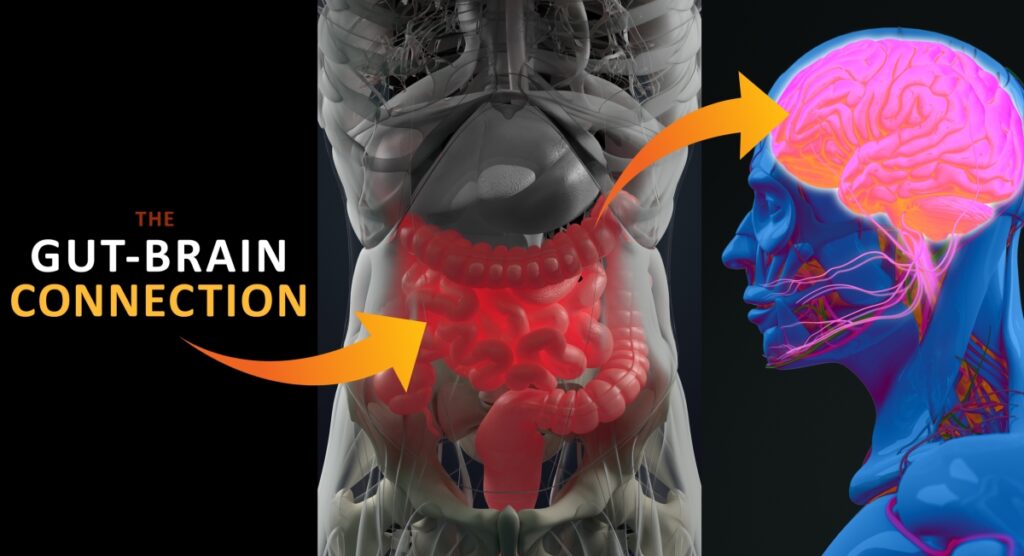
The gut microbiota influences mood and cognitive function through the gut-brain axis. Your gut flora helps produce and activate some neurotransmitters. They go to the brain and affect the levels of other neurotransmitters.[custom-citation id="ref-16"]

L. plantarum supplementation can reduce feelings of sadness, anger, and fatigue. In a double-blind, placebo-controlled study, 38 healthy individuals were randomly assigned to either a probiotic or a placebo group.[custom-citation id="ref-16"]
For six weeks, the probiotic group got a daily dosage of a probiotic combination containing L. plantarum. The probiotic group showed a substantial increase in mood, with a decrease in sadness, anger, fatigue, as well as an improvement in sleep quality.[custom-citation id="ref-16"]
This study's findings imply that a probiotic containing L. plantarum may promote psychological health by improving mood and sleep quality.[custom-citation id="ref-16"]
Experience the diverse benefits of using probiotics and watch your health improve with our most powerful L. plantarum strain.
[fl_builder_insert_layout id=150302315222]