


 YOU can take control of your health or let your health slip through your fingertips.[/caption]
People today are too quick to turn to modern medicine for whatever health problem they face believing there's a solution to fix it.
In reality, that's not always the case.
In most cases, if you eat poor food while neglecting a healthy diet, you will suffer from a lack of energy, experience health problems, and possibly even diseases that modern medicine cannot cure entirely.
YOU can take control of your health or let your health slip through your fingertips.[/caption]
People today are too quick to turn to modern medicine for whatever health problem they face believing there's a solution to fix it.
In reality, that's not always the case.
In most cases, if you eat poor food while neglecting a healthy diet, you will suffer from a lack of energy, experience health problems, and possibly even diseases that modern medicine cannot cure entirely.
The great news is...
YOU have the power. YOU can take control of your health or let your health slip through your fingertips. Many people are now starting to realize just how important their nutrition is in the big picture, but the unfortunate fact is they often miss out on some of the biggest issues that need to be tended to, like which foods to avoid. Our weight-conscious society focuses heavily on our total calorie intake and how many carbs and dietary fats we consume. At the end of each day, we tally our calorie and macronutrient intake, hoping to hit our targets for what some weight loss formula has spit out at us. And while this can help you get to a healthy weight, it's not doing much to ensure maximum health overall. To live your best life, you must take it one step further. Often, it helps to approach the situation from an alternate angle. Rather than looking at things you should be eating, consider what you shouldn't. If you can remove all the problems and offending foods in your diet plan – foods that are digging you deeper into the health problem, hole-you'll take a giant leap forward. You can eat all the healthy foods you want, but if you put these damaging foods into your system, you will still be playing damage control. This is why understanding which foods to avoid is of paramount importance! I have a list of 10 foods you absolutely MUST avoid. In the video below, I explain those ten foods and why you must avoid them. https://www.youtube.com/watch?v=sIMmanxComoTop 10 Foods to AVOID
I will take you through 10 foods you want to avoid at all costs to achieve the healthy diet you are looking for. As you'll see, many of these have common traits and characteristics that make it easy to see why they must be removed from your diet plan.Food #1 To Avoid - Burnt Food
[caption id="attachment_150302212128" align="aligncenter" width="790"] Avoid Burnt Food - Burnt food has a higher level of carcinogens that can increase the rate of cancer formation.[/caption]
When I say burnt food, what immediately comes to mind? Eating some black, crusty toast that leaves much to be desired taste-wise? Or perhaps you remember roasting marshmallows as a kid and purposely sticking yours into the fire pit to get that black coating.
Whatever the case, burnt food is something you want to pay close attention to because it can do a number on your health.
What about cooked food?
Before discussing burnt food, let's first talk about cooked food. Cooked food isn't exactly ideal for your body, either. While not nearly as bad as burnt food is, when you eat conventionally cooked food, you are getting a less nutritious version of what that food was, to begin with.
Take steamed vegetables, for instance. During this steaming process, you will be losing some of the nutrients naturally found in the vegetables, which you would otherwise get if you had taken them raw.
While I'm not suggesting you go eating raw beef or chicken as that poses health risks, I do want you to know that natural is best for fruits and vegetables.
Let's get back to burnt food...
When you burn – or char any food, you are causing chemical reactions to be taking place. Slowly this food is decomposing and turning to ash. If you were to let that piece of toast continue to burn, provided it did not catch on fire. Eventually, you'd have a giant pile of ash in the toaster or on your pan (if using an oven).
Ash is the end line for all organic matter. Whether from a plant (a fruit or vegetable), a grain, or a piece of meat, all organic foods will become ash if left to burn long enough. And what's ash? It's a substance that is devoid of everything your body needs. It has no moisture, nutrients, or calorie value (no, eating ash is not a viable fat-loss solution!).
The more burnt your food is, the more nutrients you have lost. Remember that next time you grab that burnt piece of toast and rush off to work.
But that's not all. In addition to reducing food to a nutritionally devoid substance, burnt food also has a higher level of carcinogens. While you might feel like you read that everything can lead to cancer, the rate of carcinogen production in food goes up dramatically when this burning process takes place. This is especially the case with meat. The meat is cooked at very high temperatures, producing heterocyclic amines (HCAs) and polycyclic aromatic hydrocarbons (PAHs). Both of these can increase the rate of cancer formation.
So how can you steer clear of these issues? Try these tips:
Avoid Burnt Food - Burnt food has a higher level of carcinogens that can increase the rate of cancer formation.[/caption]
When I say burnt food, what immediately comes to mind? Eating some black, crusty toast that leaves much to be desired taste-wise? Or perhaps you remember roasting marshmallows as a kid and purposely sticking yours into the fire pit to get that black coating.
Whatever the case, burnt food is something you want to pay close attention to because it can do a number on your health.
What about cooked food?
Before discussing burnt food, let's first talk about cooked food. Cooked food isn't exactly ideal for your body, either. While not nearly as bad as burnt food is, when you eat conventionally cooked food, you are getting a less nutritious version of what that food was, to begin with.
Take steamed vegetables, for instance. During this steaming process, you will be losing some of the nutrients naturally found in the vegetables, which you would otherwise get if you had taken them raw.
While I'm not suggesting you go eating raw beef or chicken as that poses health risks, I do want you to know that natural is best for fruits and vegetables.
Let's get back to burnt food...
When you burn – or char any food, you are causing chemical reactions to be taking place. Slowly this food is decomposing and turning to ash. If you were to let that piece of toast continue to burn, provided it did not catch on fire. Eventually, you'd have a giant pile of ash in the toaster or on your pan (if using an oven).
Ash is the end line for all organic matter. Whether from a plant (a fruit or vegetable), a grain, or a piece of meat, all organic foods will become ash if left to burn long enough. And what's ash? It's a substance that is devoid of everything your body needs. It has no moisture, nutrients, or calorie value (no, eating ash is not a viable fat-loss solution!).
The more burnt your food is, the more nutrients you have lost. Remember that next time you grab that burnt piece of toast and rush off to work.
But that's not all. In addition to reducing food to a nutritionally devoid substance, burnt food also has a higher level of carcinogens. While you might feel like you read that everything can lead to cancer, the rate of carcinogen production in food goes up dramatically when this burning process takes place. This is especially the case with meat. The meat is cooked at very high temperatures, producing heterocyclic amines (HCAs) and polycyclic aromatic hydrocarbons (PAHs). Both of these can increase the rate of cancer formation.
So how can you steer clear of these issues? Try these tips:
- When you need to cook, steam your food and try and do so as quickly as possible.
- Avoid any smoked meats such as ham, bacon, or smoked salmon
- Avoid using excessive heat, such as when you roast, grill, or toast your food
- Clean your grill after each use
- If you are served food that is chargrilled, scrape off the outer coating to remove the problem layer
- Rub your meats with chili powder or paprika, which may lower the HCA production by up to 70%
Food #2 To Avoid - Dyed Foods
[caption id="attachment_150302212130" align="aligncenter" width="790"] Avoid Dyed Foods - To identify dyed food, look on the ingredient label for a color followed by a number, i.e., Red 3[/caption]
Now we come to our next problem offender – dyed foods.
Most of us remember our childhood when our parents mixed us up with a pitcher of Kool-Aid that rapidly formed a radioactive-colored liquid.
This is what you want to avoid. While you may not be drinking this beverage in your adult years, there's a good chance you're taking in food dyes from some other source.
Take a look at that BCAA product you're drinking, for instance. Nine times out of ten, it's bright orange, sky blue, or lime green.
Food dyes are making their way into far too many products we consume daily, and our bodies can't break these down.
If you look at the fat cells of those constantly exposed to food dyes, you'll find them untouched in these cells. The body is storing them as it does not utilize them in any way.
Three of the most commonly used food dyes include Yellow 5, Yellow 6, as well as Red 40, all of which contain benzidine and 4-aminobiphenyl, compounds that can be linked to an increased rate of cancer formation.
Any time you look on an ingredient label and see that the food has a substance that is a color followed by a number, that's your sign to put that food back onto the shelf.
Food dyes are especially problematic for children as more foods contain these dyes, which can lead to hyperactivity and learning impairment. As much as your kids may love to eat those brightly colored foods, they need to steer clear of them.
Instead, try feeding your children fruits and vegetables that are naturally bright in color.
Avoid Dyed Foods - To identify dyed food, look on the ingredient label for a color followed by a number, i.e., Red 3[/caption]
Now we come to our next problem offender – dyed foods.
Most of us remember our childhood when our parents mixed us up with a pitcher of Kool-Aid that rapidly formed a radioactive-colored liquid.
This is what you want to avoid. While you may not be drinking this beverage in your adult years, there's a good chance you're taking in food dyes from some other source.
Take a look at that BCAA product you're drinking, for instance. Nine times out of ten, it's bright orange, sky blue, or lime green.
Food dyes are making their way into far too many products we consume daily, and our bodies can't break these down.
If you look at the fat cells of those constantly exposed to food dyes, you'll find them untouched in these cells. The body is storing them as it does not utilize them in any way.
Three of the most commonly used food dyes include Yellow 5, Yellow 6, as well as Red 40, all of which contain benzidine and 4-aminobiphenyl, compounds that can be linked to an increased rate of cancer formation.
Any time you look on an ingredient label and see that the food has a substance that is a color followed by a number, that's your sign to put that food back onto the shelf.
Food dyes are especially problematic for children as more foods contain these dyes, which can lead to hyperactivity and learning impairment. As much as your kids may love to eat those brightly colored foods, they need to steer clear of them.
Instead, try feeding your children fruits and vegetables that are naturally bright in color.
Food #3 To Avoid - Preservatives
Another of the items to add to your hit list to avoid if you want to optimize your health is preservatives. Like with food dyes, your body will not break down preservatives, either. If you look inside fat cells, you'll often find high amounts of preservative substances unless an active effect is taken to control it.
So what's so bad about preservatives? The big problem is that they slow down the rotting process. This is a very good thing for a farmer or grocer who wants their fruits or vegetables to stay vibrant for as long as possible to increase revenue. For your body, it is not. Digestion is a form of decomposition – your body essentially breaks down food, just as it does when the rotting process occurs. But when these preservatives are added, the breakdown is slowed. And I'm not talking about the good slowing of digestion, like when you consume dietary fiber to control blood sugar. I'm talking about slowing the digestion process down in a way that makes it harder for your body to get access to the nutrients it needs while also wreaking havoc on the internal environment of your digestive tract. These preservatives will deplete your natural level of probiotics, which reside in the gut and help keep your immune system healthy and strong while also assisting with digestion. Eat too many preservatives, and these good bacteria will die off, and you'll be left feeling unwell, possibly ill, and not taking in all the nutrients you should be from the foods you eat. A healthy diet is preservative-free – or as close to it as possible.Food #4 To Avoid - GMOs
[caption id="attachment_150302212134" align="aligncenter" width="790"]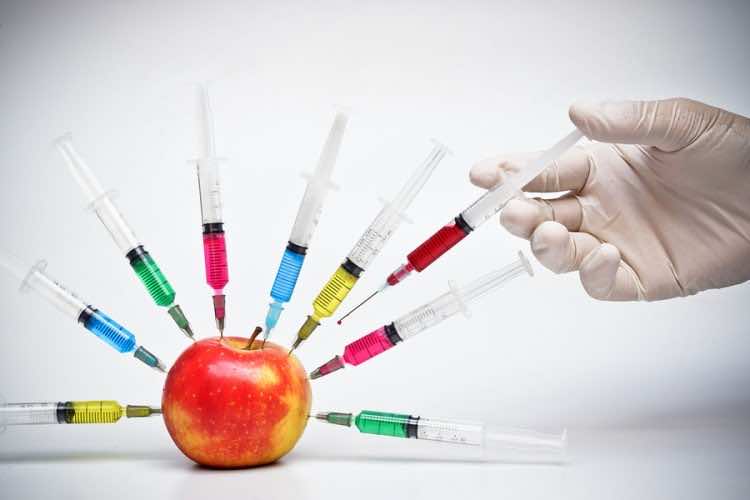 Avoid foods with GMOs - There has been a substantial increase in chronic illnesses and food allergies since the introduction of GMO foods.[/caption]
GMOs, which stands for genetically modified organisms (foods), are another big problem in today's society. Food manufacturers love GMOs because they can virtually make the food do anything. Do they want it to taste a certain way? Done. Do they want it to look a certain way? That's easy to accomplish as well.
For your internal system, however, these GMOs are slowly killing you.
Just as the preservatives reduce your natural probiotics, so do GMOs. As these probiotics slowly die off, you open up your immune system to invading bacteria, viruses, and the like.
Essentially, you are inviting problems into your 'house' - being your body.
When GMOs were first introduced in 1996, the total percentage of those with three or more chronic health illnesses skyrocketed from 7 to 13% over a 9-year period. In addition, more and more people started reporting food allergies that were never there before.
You will want to do everything you can to avoid GMO foods.
Avoid foods with GMOs - There has been a substantial increase in chronic illnesses and food allergies since the introduction of GMO foods.[/caption]
GMOs, which stands for genetically modified organisms (foods), are another big problem in today's society. Food manufacturers love GMOs because they can virtually make the food do anything. Do they want it to taste a certain way? Done. Do they want it to look a certain way? That's easy to accomplish as well.
For your internal system, however, these GMOs are slowly killing you.
Just as the preservatives reduce your natural probiotics, so do GMOs. As these probiotics slowly die off, you open up your immune system to invading bacteria, viruses, and the like.
Essentially, you are inviting problems into your 'house' - being your body.
When GMOs were first introduced in 1996, the total percentage of those with three or more chronic health illnesses skyrocketed from 7 to 13% over a 9-year period. In addition, more and more people started reporting food allergies that were never there before.
You will want to do everything you can to avoid GMO foods.
Food #5 To Avoid - Hydrogenated Fats
What's next on your hit list? Let's talk about hydrogenated fats, sometimes called 'trans' fats. These fats are artificial fat created when an additional hydrogen atom is added to the chain of a fatty acid. Why do this? Once again, it helps with preservation. Food manufacturers who use hydrogenated fats often benefit from increased shelf-lives of their products and can help improve the texture of those who eat them. This means people enjoy the food more, purchasing more products. The food companies are not out for your best health interests. They are out to make a buck, simple as that. They will do whatever they can to put more money in their pockets, even if it comes at the expense of your health. This is why getting good at reading nutritional panels is important. If you see the term hydrogenated or even 'partially hydrogenated,' it's time to steer clear of whatever food you are looking at. Those who consume these types of fats will be at a higher risk for conditions such as obesity, heart disease, accelerated aging, and increased oxidation levels inside the body. You do not need these fats, so avoid them completely. What foods are they most often found in? Here are some of the biggest culprits.- Doughnuts and other fried pastries
- Baked goods such as cakes, pie crusts, biscuits and cookies
- Crackers and some granola bars
- Stick margarine
- Frozen pizza crusts
Food #6 To Avoid - Simple Sugars
[caption id="attachment_150302212135" align="aligncenter" width="790"] Avoid Foods Containing Excessive Amounts Of Sugar - Consuming too much sugar not only leads to weight gain but can also lead to health problems such as diabetes.[/caption]
Now we come to one of the most prevalent foods people eat in their diets that you must avoid at all costs – simple sugars.
Simple sugars, whether in sugar form or processed foods are major problem foods.
When a food contains a high degree of simple sugars, it'll cause the blood sugar levels in your body to spike rapidly, which means it's only a matter of time before your pancreas releases a high dose of the hormone insulin to normalize the blood sugar again.
As this process occurs, the insulin removes the sugar and moves it to storage. That storage? Your body fat cells.
You will not gain body fat if you have just finished an intense exercise session and have muscle glycogen storage (the storage for carbohydrates in muscle tissues).
And it's not just fat gain that's a big problem. Over time, this constant strain on your pancreas to release insulin can cause it to malfunction. Furthermore, your cells will slowly start becoming less sensitive to insulin, which only exacerbates the situation. Before you know it, you're stuck with type 2 diabetes.
And let's not forget the tooth decay that comes with simple sugars or the hyperactivity that can occur, especially in children when sugar is given.
Of particular importance, pay attention to any fructose in your diet as well. While fructose from fruit is a perfectly healthy form of natural sugar, fructose in high fructose corn syrup, often added to snack foods or soft drinks, will quickly lead to fat gain. The body only has a small storage reserve for fructose in the liver (as it does not move into the bloodstream but straight to the liver). Once this storage is filled up, the remaining fructose being consumed will get deposited as body fat unless needed for immediate use.
Soft drinks, energy drinks, and any snack foods containing high fructose corn syrup are a one-way track to gaining unwanted body fat.
Ensure you also pay attention to any code words for sugar. It lurks in so many foods that you need to educate yourself. Other names for sugar include:
Avoid Foods Containing Excessive Amounts Of Sugar - Consuming too much sugar not only leads to weight gain but can also lead to health problems such as diabetes.[/caption]
Now we come to one of the most prevalent foods people eat in their diets that you must avoid at all costs – simple sugars.
Simple sugars, whether in sugar form or processed foods are major problem foods.
When a food contains a high degree of simple sugars, it'll cause the blood sugar levels in your body to spike rapidly, which means it's only a matter of time before your pancreas releases a high dose of the hormone insulin to normalize the blood sugar again.
As this process occurs, the insulin removes the sugar and moves it to storage. That storage? Your body fat cells.
You will not gain body fat if you have just finished an intense exercise session and have muscle glycogen storage (the storage for carbohydrates in muscle tissues).
And it's not just fat gain that's a big problem. Over time, this constant strain on your pancreas to release insulin can cause it to malfunction. Furthermore, your cells will slowly start becoming less sensitive to insulin, which only exacerbates the situation. Before you know it, you're stuck with type 2 diabetes.
And let's not forget the tooth decay that comes with simple sugars or the hyperactivity that can occur, especially in children when sugar is given.
Of particular importance, pay attention to any fructose in your diet as well. While fructose from fruit is a perfectly healthy form of natural sugar, fructose in high fructose corn syrup, often added to snack foods or soft drinks, will quickly lead to fat gain. The body only has a small storage reserve for fructose in the liver (as it does not move into the bloodstream but straight to the liver). Once this storage is filled up, the remaining fructose being consumed will get deposited as body fat unless needed for immediate use.
Soft drinks, energy drinks, and any snack foods containing high fructose corn syrup are a one-way track to gaining unwanted body fat.
Ensure you also pay attention to any code words for sugar. It lurks in so many foods that you need to educate yourself. Other names for sugar include:
- Agave nectar
- Molasses
- Can sugar
- Confectioner's sugar
- Date sugar
- Icing sugar
- Maltodextrin
- Refiner's syrup
- Brown sugar
- Caramel
- Corn syrup
- Glucose
- Grape sugar
- Maltose
- Rice syrup
- Sucrose
- Malt syrup
- Honey
- Fruit juice concentrate
- Dextrose
- Beet sugar
- Maple syrup
- Lactose
- Ethyl maltol
- Corn syrup solids
- Carob syrup
Food #7 To Avoid - Alcohol
[caption id="attachment_150302212183" align="aligncenter" width="790"] Avoid Alcohol - Alcohol is a source of empty calories at seven calories per gram – almost twice as many as what's found in proteins or carbohydrates.[/caption]
Now, as much as you may love going out on a Friday night with your friends for a few drinks to ensure optimal health, you will want to rethink that game plan.
Alcohol is a toxin for the body, and every time you put it into your system, all other processes stop, whether this is the protein synthesis taking place that helps you build more lean muscle mass, or it's the fat oxidation that was taking place, helping you get to a healthy weight.
Alcohol must be oxidized completely before any of these processes can resume. So whenever you drink that beer, glass of wine, or mixed drink, think of it as taking a break from your healthy diet plan.
That's not all. Alcohol also places strain on your liver, which over time, can lead to serious health concerns when consumed often enough. Let's not forget about the fact alcohol impairs your judgment. Whether this means potentially putting you in physical danger if you decide to drive home after a night of too many drinks or risk thanks to the impaired judgment of the best foods to eat while drinking, no matter how you look at it, drinking is dangerous. And even more remarkably, it's still completely legal.
Alcohol is also a source of empty calories, and at seven calories per gram – almost twice as many as what's found in proteins or carbohydrates- it can rapidly cause weight gain.
While one glass of wine here and there may not be the end of the world, if you are looking for maximum bio optimization, you are best off avoiding alcohol entirely.
Avoid Alcohol - Alcohol is a source of empty calories at seven calories per gram – almost twice as many as what's found in proteins or carbohydrates.[/caption]
Now, as much as you may love going out on a Friday night with your friends for a few drinks to ensure optimal health, you will want to rethink that game plan.
Alcohol is a toxin for the body, and every time you put it into your system, all other processes stop, whether this is the protein synthesis taking place that helps you build more lean muscle mass, or it's the fat oxidation that was taking place, helping you get to a healthy weight.
Alcohol must be oxidized completely before any of these processes can resume. So whenever you drink that beer, glass of wine, or mixed drink, think of it as taking a break from your healthy diet plan.
That's not all. Alcohol also places strain on your liver, which over time, can lead to serious health concerns when consumed often enough. Let's not forget about the fact alcohol impairs your judgment. Whether this means potentially putting you in physical danger if you decide to drive home after a night of too many drinks or risk thanks to the impaired judgment of the best foods to eat while drinking, no matter how you look at it, drinking is dangerous. And even more remarkably, it's still completely legal.
Alcohol is also a source of empty calories, and at seven calories per gram – almost twice as many as what's found in proteins or carbohydrates- it can rapidly cause weight gain.
While one glass of wine here and there may not be the end of the world, if you are looking for maximum bio optimization, you are best off avoiding alcohol entirely.
Food #8 To Avoid - Prescription Drugs
[caption id="attachment_150302212184" align="aligncenter" width="790"]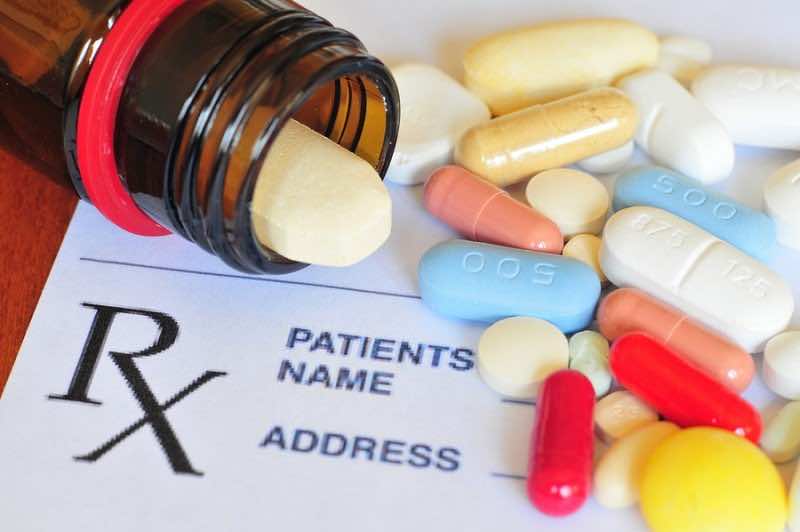 Avoid Prescription Drugs - Most RX drugs have side effects that can spur on other health issues leading you to take more medications for the side effects.[/caption]
This now brings us to prescription drugs. We briefly discussed this in the introduction, but relying on prescription-based medications (or drugs) to address your health is a bad move.
Sure, they may help treat the symptoms over the short term, but long-term use of drugs sets you up for multiple health problems.
For instance, you may take one drug for years to help control symptoms related to a condition you are dealing with. But, after using that drug for a long time, you are faced with a whole new set of symptoms related to that drug.
Now you need another drug to help deal with those symptoms. It's a never-ending cycle that, once started, can be hard to break free from.
Of course, there is a time and place when certain drugs may be needed, but they should only be used under the direct supervision of a physician.
Avoid Prescription Drugs - Most RX drugs have side effects that can spur on other health issues leading you to take more medications for the side effects.[/caption]
This now brings us to prescription drugs. We briefly discussed this in the introduction, but relying on prescription-based medications (or drugs) to address your health is a bad move.
Sure, they may help treat the symptoms over the short term, but long-term use of drugs sets you up for multiple health problems.
For instance, you may take one drug for years to help control symptoms related to a condition you are dealing with. But, after using that drug for a long time, you are faced with a whole new set of symptoms related to that drug.
Now you need another drug to help deal with those symptoms. It's a never-ending cycle that, once started, can be hard to break free from.
Of course, there is a time and place when certain drugs may be needed, but they should only be used under the direct supervision of a physician.
Food #9 To Avoid - Pesticides
[caption id="attachment_150302212137" align="aligncenter" width="790"]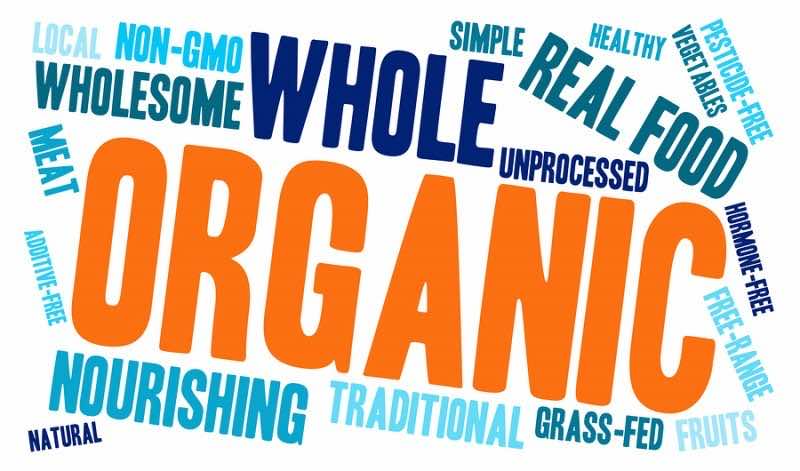 Avoid Foods Containing Pesticides - Pesticides, fungicides, and herbicides are like suicide to your gut, destroying all the good bacteria responsible for a healthy immune system.[/caption]
Along with preservatives, pesticides are another big no-no you'll want to get out of your diet, along with herbicides and fungicides. These substances are being used on so much of the fresh produce and foods we eat today to kill the bugs that may be getting onto those foods.
And while this may seem like a good thing, consider the fact that if it's killing those bugs, what is it doing for your internal system? They're also going to kill off the good bacteria in your gut. Those probiotics once again.
You'll notice a trend: many of these problem foods interfere with your body's naturally occurring probiotic bacteria. These probiotics are responsible for up to 70% of your immune system, so you are much weaker if they start dying off.
Remember that your immune system is the first line of defense that protects your body against invading bacteria and viruses.
If that defense system is down, it's a free for all for anything that wants to come in.
It would be best if you avoided these at all costs. Now, you might be thinking – what about those bugs? Shouldn't you avoid those?
You should as well. This is why buying organic, locally-grown produce is important to avoid using pesticides, herbicides, and fungicides while keeping your food free of those unwanted bugs.
Especially when buying the 'dirty dozen,' which refers to the fruits and vegetables that contain the highest level of pesticides, you'll want to go organic.
This includes:
Avoid Foods Containing Pesticides - Pesticides, fungicides, and herbicides are like suicide to your gut, destroying all the good bacteria responsible for a healthy immune system.[/caption]
Along with preservatives, pesticides are another big no-no you'll want to get out of your diet, along with herbicides and fungicides. These substances are being used on so much of the fresh produce and foods we eat today to kill the bugs that may be getting onto those foods.
And while this may seem like a good thing, consider the fact that if it's killing those bugs, what is it doing for your internal system? They're also going to kill off the good bacteria in your gut. Those probiotics once again.
You'll notice a trend: many of these problem foods interfere with your body's naturally occurring probiotic bacteria. These probiotics are responsible for up to 70% of your immune system, so you are much weaker if they start dying off.
Remember that your immune system is the first line of defense that protects your body against invading bacteria and viruses.
If that defense system is down, it's a free for all for anything that wants to come in.
It would be best if you avoided these at all costs. Now, you might be thinking – what about those bugs? Shouldn't you avoid those?
You should as well. This is why buying organic, locally-grown produce is important to avoid using pesticides, herbicides, and fungicides while keeping your food free of those unwanted bugs.
Especially when buying the 'dirty dozen,' which refers to the fruits and vegetables that contain the highest level of pesticides, you'll want to go organic.
This includes:
- Apples
- Celery
- Cherry Tomatoes
- Cucumbers
- Grapes
- Nectarines
- Peaches
- Potatoes
- Snap Peas
- Spinach
- Strawberries
- Sweet Bell Peppers
Food #10 To Avoid - Anything That Makes You Feel Bad
Finally, the last thing you'll want to consider removing from your diet is anything that makes you feel bad. You might immediately think this is too general, but hear me out. You are the master of your body. My goal by the end of this course is that you come to learn your body inside and out. You discover what does it good and what may be putting your health in jeopardy. You can only do this if you pay close attention to your daily well-being. I want you to start keeping yourself open to listening to your body's signals. Ask yourself questions like:- How do I feel after eating certain foods? Do I feel energized or tired and weak? Or do I get A burst of energy only to be followed by a serious crash that makes me miserable for hours to come?
- Do certain foods cause me to break out or suffer from gas, bloating, or indigestion?
- Do I seem more prone to weight gain after consuming certain foods?
- Do I feel more stuffed up – suffering from congestion after meals containing one particular food type?
- Does my mood change when I eat certain types of foods? What about my concentration and focus?