


When introducing a new supplement, it can be difficult to tell whether you simply haven’t given it enough time or dosage or if it simply isn’t working for you.
Probiotic supplements are a tricky category because the effects can be so individualized, and the timeline could differ from one purpose to the next. In some cases, you can feel the results in 1 - 3 days, while in other cases, it can take up to 4 weeks.
Also, most probiotics on the market are ineffective because they don’t tolerate the supply chain or human digestion. In this article, we’ll cover the biology and clinical evidence that explain reasonable expectations of timelines for probiotic benefits.

What Are Probiotics?
Probiotics are live microorganisms beneficial to human health.[custom-citation id="ref-1"] They could be yeast or bacteria, mainly lactic acid bacteria. You can get them in fermented foods or probiotic supplements in capsules, powder, fermented milk, and yogurt.[custom-citation id="ref-2"]
How Do Probiotics Work, And How Long Does It Take To Experience Each Health Benefit?
Improving the Gut Flora Composition and Restoring a Healthy Flora After Antibiotics
The gut flora, or gut microbiota, is the collection of microbes that colonize the gut.[custom-citation id="ref-3"] Lifestyle changes and antibiotics can disrupt gut flora. Antibiotics frequently damage our gut microbiota by killing most of the gut bacteria.[custom-citation id="ref-4"]
Luckily, probiotics can help restore healthy gut flora even after antibiotic use![custom-citation id="ref-5"]
In a mouse study, mice treated with antibiotics (such as ampicillin, streptomycin, and clindamycin) had a disrupted intestinal microbiota as a result. Microbial diversity might take weeks or even months to restore, depending on the antibiotics used.[custom-citation id="ref-6"]
This study looked at the effects of probiotics under two different conditions: probiotics given simultaneously with antibiotics and probiotics given during the recovery period. The mice received a probiotic mix of Lactobacillus acidophilus, L. rhamnosus, Bifidobacterium breve, and Bifidobacterium longum. For two weeks, mice received probiotics every other day.[custom-citation id="ref-6"]
Concurrent antibiotic and probiotic treatment resulted in a slight increase in microbial diversity. Following the discontinuation of antibiotics and complete probiotic treatment, there was a greater increase in microbial diversity.
The administration of probiotics during the recovery period had a significant impact, and mice who were not supplemented with probiotics were prone to infections. Therefore, probiotics may be able to restore a disturbed microbiome even after antibiotics.[custom-citation id="ref-6"]
Probiotic supplementation may also benefit your gut microbiota even if you haven’t taken any antibiotics.

In a randomized, double-blind, controlled study, 96 people (divided into four groups) received either one or three bottles of a probiotic or a placebo product per day. During the four weeks, participants were prohibited from consuming any additional fermented dairy products, probiotics, vitamins, or minerals.[custom-citation id="ref-7"]
According to the findings, taking probiotics regularly causes a positive but modest response in the gut microbiota. Therefore, the effects of probiotics might be evident in just four weeks following supplementation.[custom-citation id="ref-7"]
Digestive Regularity
Probiotics may promote gut transit time, stool frequency, and stool consistency.[custom-citation id="ref-8"] However, remember that probiotics are not laxatives. Instead, the probiotics promote digestive regularity by improving your gut microbiome and producing substances that promote gut health.[custom-citation id="ref-9"]
In a randomized, double-blind, placebo-controlled trial consisting of 8 75-year-old patients with digestive irregularity and constipation, two groups tested either a probiotic supplement or a placebo. The probiotic group accounts for 88 patients, and the placebo group for 83 patients.[custom-citation id="ref-10"]
The probiotic group received a probiotic product for four weeks before discontinuing the probiotic for four weeks. One piece (26 g) of chocolate with probiotics (3.0108 CFU/g Streptococcus thermophilus MG510 and 1.0108 CFU/g Lactobacillus plantarum LRCC5193) or without probiotics (a placebo) is the product of choice in this study.[custom-citation id="ref-10"]
At 4 and 8 weeks, the probiotic group had a considerably higher quality of life than the placebo group. Probiotic treatment dramatically improved stool consistency in patients with constipation. L. plantarum exhibited a long-term favorable effect on stool consistency improvement even after stopping probiotic supplementation.[custom-citation id="ref-10"]
Digestive issues are often accompanied by bloating. Bloating can be especially uncomfortable. Thankfully, probiotics may ease bloating while also promoting digestive regularity.[custom-citation id="ref-11"] With a healthier diet, lifestyle changes, and probiotics, you can experience the results even faster.
If you are looking for a probiotic for bloating, check out our article on the best probiotics for bloating.
Immune System Readiness
The immune system consists of a wide range of immune responses, the most important of which are innate and adaptive immunity. Probiotics can change the gut flora, which could help improve immune system readiness.[custom-citation id="ref-12"]
Probiotics may help improve your immune system and inhibit suboptimal bacteria.[custom-citation id="ref-13"] Probiotics can activate the following immune cells[custom-citation id="ref-12"]:
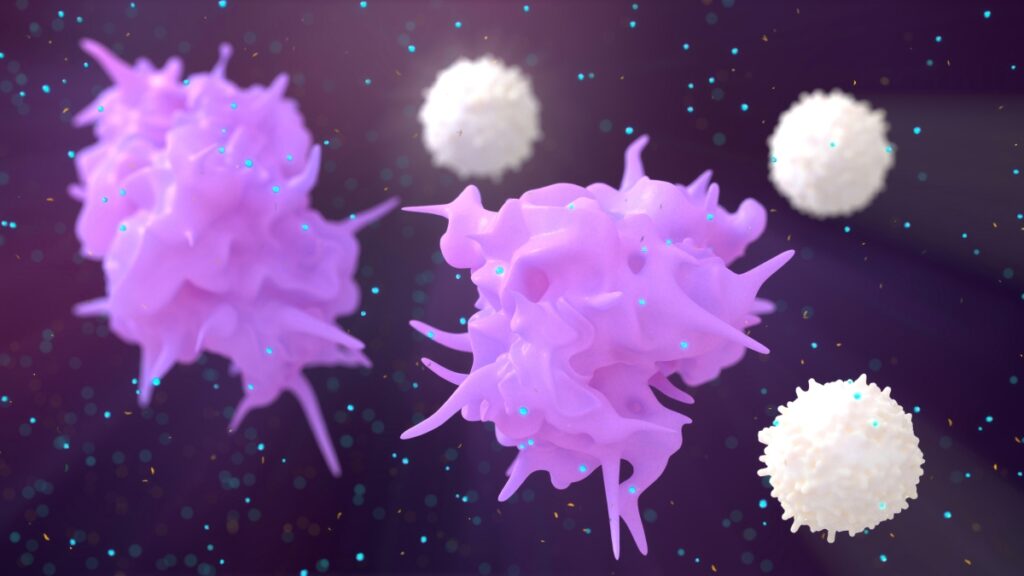
- Macrophages—large white blood cells that eat cell debris, pathogens, and everything foreign in our body
- Natural killer (NK) cells—first responders of our immune system
- Antigen-specific cytotoxic T-lymphocytes—kill cells that are infected or may become cancerous
- Release of cytokines—proteins that speed up or slow down our immune system
By activating the cells and cytokines above, probiotics can improve nonspecific immune response. Also, probiotic-containing fermented milk or yogurt may boost the gut mucosal immune system by raising the number of immunoglobulins (Ig)A cells and cytokine-producing cells.[custom-citation id="ref-12"]
Immune responses in humans after probiotic treatment[custom-citation id="ref-12"]:
| Why the study was done | Who was recruited | Strain, probiotic, administration | Control | Length of trial | Results: experimental vs control |
| The goal is to see if probiotics cause a faster immune response in healthy people.[custom-citation id="ref-14"] | 63 healthy people | B. lactis Bi-07, B. lactisBl-04, L. acidophilusLa-14, L. acidophilusNCFM, L. plantarumLp-115, L. paracaseiLpc-37, L. salivariusLs-33 2 capsules/day 1 × 10^10 CFU |
20 healthy people | 21 days | Some probiotic strains exhibited a faster immune response when measured with serum immunoglobulin indicators, particularly IgG during the early response (day 0–21) but also IgA and IgM during late response (day 21–28). |
| This study tested the immunomodulatory properties of lactic acid bacteria in humans. Healthy volunteers received either Lactobacillus acidophilus or Bifidobacterium bifidum strains for 3 weeks. [custom-citation id="ref-15"] | 28 healthy people (12 females and 16 males)2 groups:Group 1 = B. bifidobacterium strain Bb 12Group 2 = L. acidophilus strain LA1 |
L.acidophilus Lal, B.bifidium Bb12 Fermented milk supplemented with B. bifidium Bb12 (group 1,1 × 10^10 CFU/day) or L.acidophilus (group 2, 7 × 10^10CFU/day) |
- | 3-6 weeks | Increased phagocytic capacity of granulocytes and monocytes.These strains may be used as supplements to improve the immune function of specific age groups, such as newborns and the elderly, whose immune functions are damaged. |
| The goal is to see if probiotic bacteria can reduce hypersensitivity by influencing immune cells.[custom-citation id="ref-17"] | 8 Milk hypersensitive adults | Lactobacillus rhamnosus GG 2.6 × 10^8 CFU | 9 milk non-hypersensitive adults | 1 week | Mitigates inflammatory responses to milk by monocytes and neutrophils. Whereas, non-hypersensitive subject had improved neutrophil function. |
| The purpose of this study was to see how the probiotic lactic acid bacterium Lactobacillus rhamnosus HN001 affected natural cellular immunity when given orally in low-fat milk or lactose-hydrolyzed low-fat milk.[custom-citation id="ref-18"] | 52 healthy elders; 17 males, 35females (44–80 years) | L. rhamnosus HN001 Low-fat milk powder containing L. rhamnosus (groupA) or lactose hydrolyzed low-fat milk containing L.rhamnosus (group B) from four–six weeks or without probiotic. |
- | 4-6 weeks | Increased levels of peripheral blood polymorphonuclear leukocytes cell response and natural killer cell activity. Results show that Lactobacillus rhamnosus HN001 may be a good supplement to enhance natural immunity. |

When Do Probiotics Start Working?
The answer to that question depends on different health goals.
Different health goals come with different timelines. You should take probiotics for at least three to four weeks to see if they help you[custom-citation id="ref-19"]
Let’s say you found yourself with a case of acute diarrhea. According to clinical trials, some probiotics may treat acute diarrhea in only one to five days! [custom-citation id="ref-20"][custom-citation id="ref-21"][custom-citation id="ref-22"] However, diarrhea typically needs medical attention so you should not delay seeking medical treatment or relying on any probiotic supplements alone.
You might need to be more patient if your goal is to improve food intolerance. The good news is that some probiotics CAN slowly but surely improve food sensitivities.
Probiotics can aid in the reduction of dairy intolerance. However, it might take 2-6 months to 3 years. [custom-citation id="ref-23"] Besides taking probiotics for treating food intolerances, identifying and avoiding those foods can be beneficial.
| Your health goal: | Estimated time of probiotic use: |
| Healthy gut flora | 4 weeks [custom-citation id="ref-7"] |
| Digestive regularity Treating acute diarrhea |
4 weeks [custom-citation id="ref-10"] 1 to 5 days [custom-citation id="ref-20"][custom-citation id="ref-21"][custom-citation id="ref-22"][custom-citation id="ref-1"] |
| Immune system readiness Food/dairy intolerance |
From 20 days to 6 weeks [custom-citation id="ref-12"] 2-6 months to 3 years [custom-citation id="ref-23"] |
Consider a Boost—Synbiotics
Prebiotics taken with probiotics increase their potency. When combined, they’re called synbiotics[custom-citation id="ref-24"]
How do they work? Well, prebiotics boost the effectiveness of probiotics by strengthening beneficial bacteria.
In conclusion, prebiotics and probiotics work well together, and by using them together, you are closer to achieving complete health benefits.[custom-citation id="ref-24"]
Conclusion
When do probiotics start working? It can range anywhere from 1 - 3 days to about a month. Aside from probiotic supplements, your diet and lifestyle also significantly impact your gut flora.
[fl_builder_insert_layout id=150302315222]