


One mineral that we all need in our daily diet, but sadly, many of us overlook, is magnesium. Magnesium is something that doesn’t garner as much attention as omega-3 fatty acids do or negative attention like trans fats do, but it is critical for optimal health. The following are foods that can help you fulfill your daily magnesium needs.
Foods Rich In Magnesium
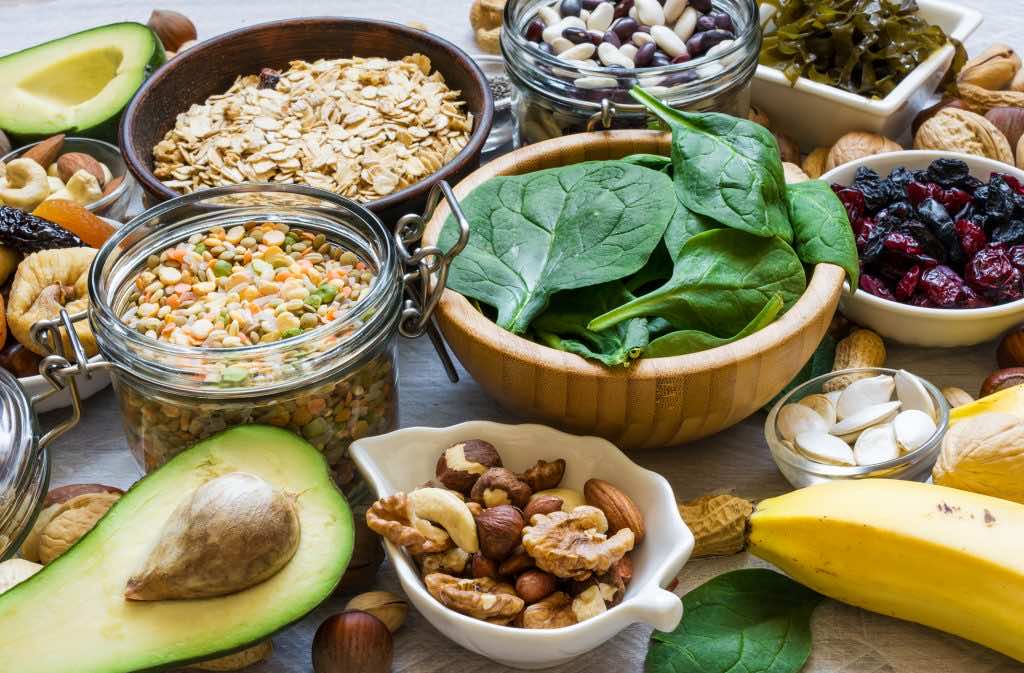
Many foods are listed on the USDA database as high in magnesium. However, since the soil is depleted in magnesium nowadays, our food chain is lower and lower in magnesium. In addition, the magnesium in food, primarily plant-based, could be bound to antinutrients like phytic acid and oxalate, making the magnesium even more challenging to absorb. These nutritious foods tend to be high in minerals overall; they contain minerals like calcium and magnesium, which compete for the same absorption of proteins. Therefore, if you'd like to maximize your magnesium absorption, it's best to take your magnesium supplement away from calcium.
Regardless, food remains a significant source of magnesium intake, even though only half of the population reaches the recommended daily intake (RDI). Partly, so few people get enough magnesium because they're not eating enough fruits, vegetables, and nuts. Even then, the RDA/RDI tends to be insufficient to reach optimal health or correct a deficiency.
Here are some top high-magnesium foods you’ll want to consider.
Spinach
Topping the list of foods that contain a good dose of magnesium we should have is spinach. Spinach is a great choice for everyone because it’s deemed one of the best superfoods out there and in addition to that, is also very low in calories. However, spinach is also high in oxalate.
So regardless of whether you are on a fat loss diet, looking to maintain your weight, or trying to build muscle, you should be able to include it in your plan. If you are looking to build muscle, consider cooking your spinach so it shrinks down and takes up less room in the stomach. This will help you fit in those necessary calories you’ll require to get that lean muscle mass built.
Per one cup of spinach that you eat, you’ll take in a whopping 157 mg of magnesium, which supplies almost 40% of your total daily needs.
Swiss Chard
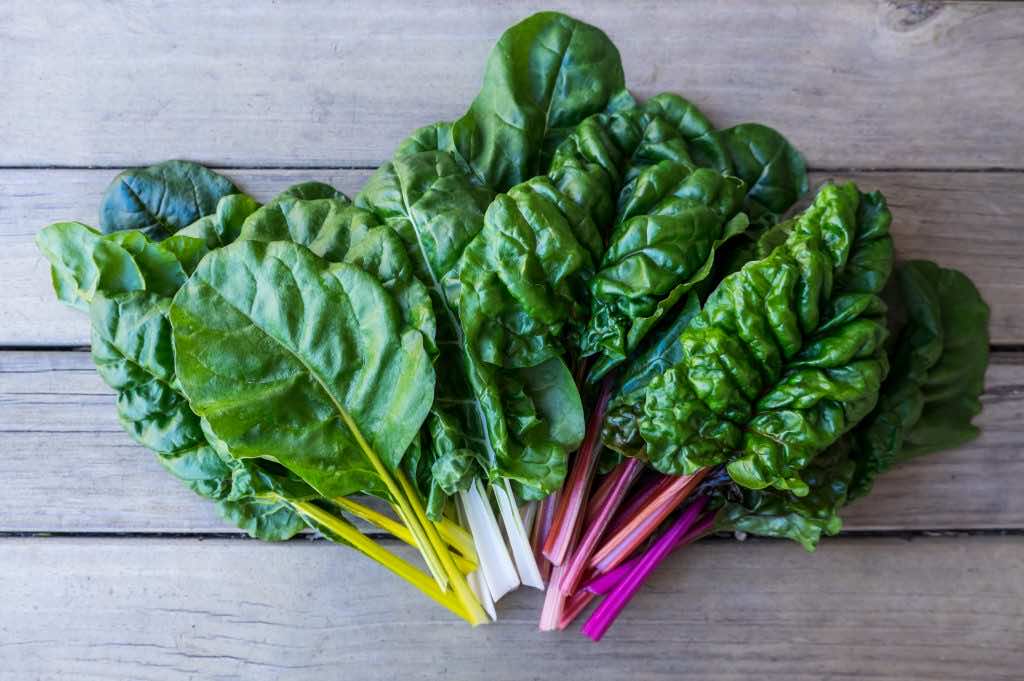
If spinach isn’t your thing or you simply don’t have any around the house, Swiss chard is another great green to consider. Swiss chard is rich in many vital nutrients and more importantly, is also going to provide a high dose of calcium as well, making it an excellent food for helping to keep your bones strong if you don’t take in dairy-rich foods.
Swiss chard cooks up beautifully and is an excellent addition to just about any dish.
Per one cup serving of Swiss chard, you’ll get 150 mg of magnesium, just slightly less than what you get from spinach. Keep in mind, also, that swiss chard is high in oxalic acid.
Dark Chocolate
Chocolate lovers can finally feel great about their love for chocolate. Now with just one square of dark chocolate, you can get nearly a quarter of your total daily needs met for magnesium.
With one square containing 95 mg, it’s hard to go wrong. It is important that you choose dark chocolate, however, as dark chocolate has more of the ‘good stuff’ as far as health-boosting properties are concerned and less sugar.
The more sugar you get into that chocolate, the lower the magnesium content will become.
Pumpkin Seeds
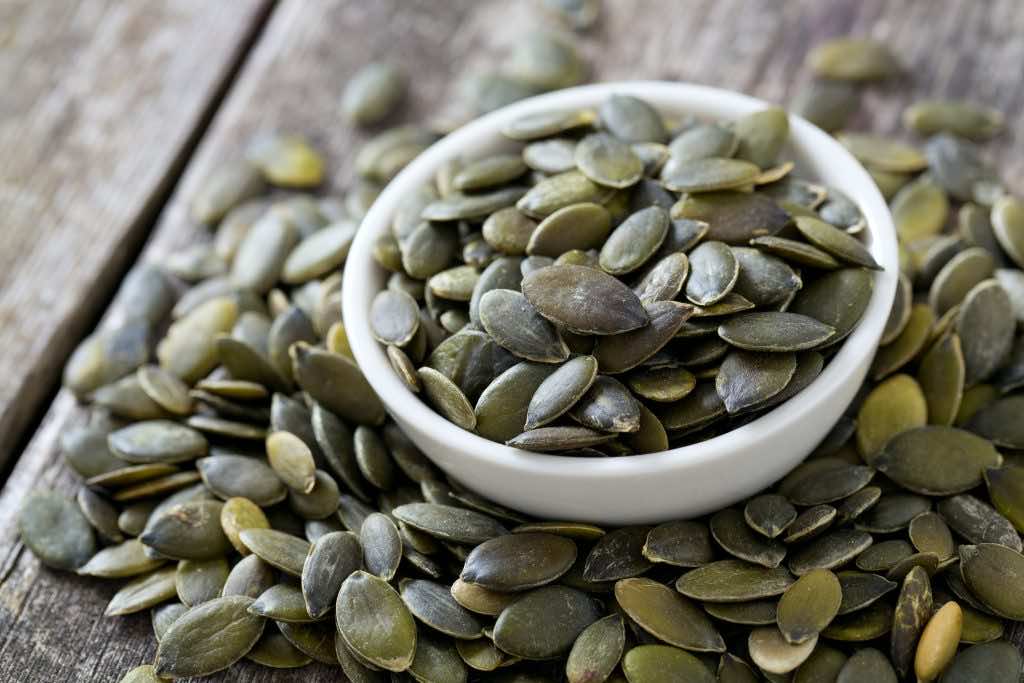
Nuts seem to get all the attention in our diets today but seeds can be just as nutritious. One seed you should start eating more often is pumpkin seeds, which offer an excellent dose of magnesium. Per eighth cup of pumpkin seeds, you’ll receive about 92 milligrams, providing just under 25% of your total daily needs.
Pumpkin seeds also present an excellent healthy fat profile, which will help you keep your cholesterol and heart health in check and even give some dietary fiber as well to keep your digestive system health and your appetite controlled.
Adding just a few pumpkin seeds to your salad or to top your main course meal can give it that final boost in nutrition you may be looking for.
Almonds
Alternatively, now we do come to a nut to consider: almonds. Almonds are one of the most popular nuts that are eaten, so you may already be getting these into your daily diet plan.
If you are, great! You’re one step ahead of the game already. Almonds provide 75 mg of magnesium per serving, so will deliver approximately 19% of your total daily needs.
Almonds are a great food because they combine the three best hunger-busting nutrients out there – protein, dietary fiber, and healthy fats- giving you the best fighting chance of keeping your meal plan in check.
This said, do keep in mind almonds themselves are quite high in total calories, so don’t go eating handful after handful. Measure out your ounce or so serving and then put the bag away.
You don’t want to overdo it with these or you may pay the price with unwanted weight gain.
Black Beans
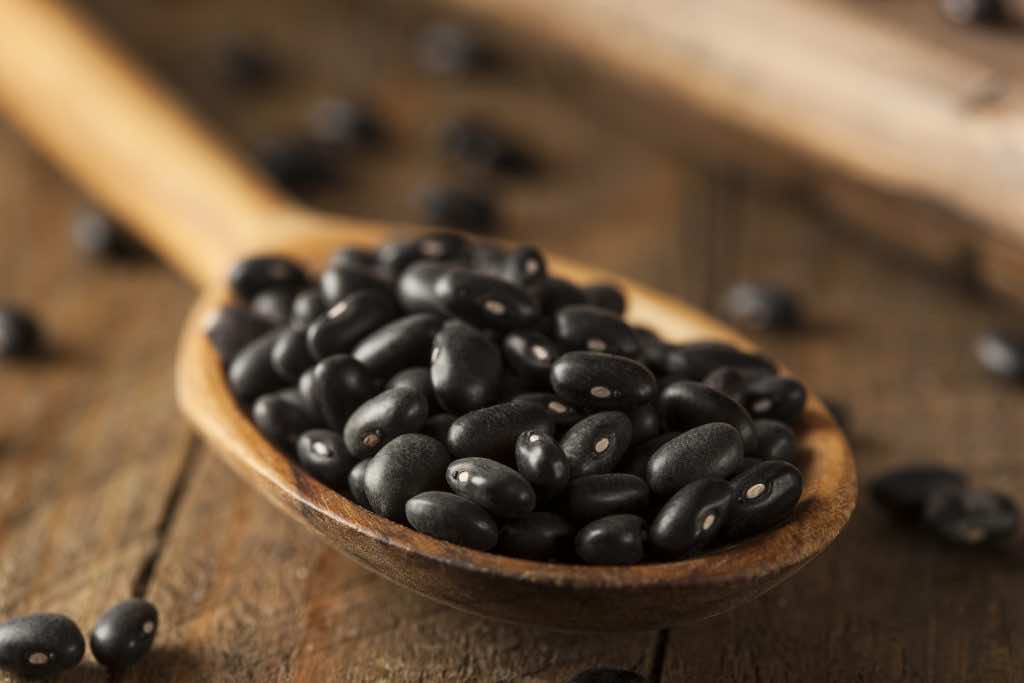
Beans are another superfood that often gets overlooked – sadly – for other grains like rice and pasta. Beans can be an excellent source of carbohydrates and also provide a good dose of protein as well, so unlike the former two foods, are a more complete choice.
Beans are also a perfect idea for anyone who follows a vegetarian diet thanks to the added protein they come packed with.
We already know that beans provide a wealth of potassium to the diet, which can help regulate blood pressure levels also, but you can count on a good dose of magnesium too.
With 60 mg per half-cup serving, you’ll take in 15% of your total daily needs. Remember to soak your beans properly to minimize phytates that can interfere with magnesium absorption.
Avocados
Another excellent healthy fat you’ll want to get into your diet plan is the avocado, which is a rich source of not only magnesium but also vitamin E. Avocados are often deemed the best food to eat to help improve your skin health as they will nearly instantly help to clear up your skin and keep it looking vibrant and younger.
Avocados are also a great source of dietary fiber, so you’ll help keep the body more regular and thanks to the antioxidants they contain, may also help to delay the process of aging.
Avocados are unique because they are one of the only fruits to contain healthy fats and have hardly any sugar.
Yogurt

If you do eat dairy, load up on the yogurt. Just be sure it’s a reduced sugar variety. Yogurt is great for supplying not only magnesium to the body but probiotics as well. These healthy bacteria are vital for keeping your gut health in check and strengthening your immune system.
Most people simply are not getting enough probiotics in their meal plans, so if you aren’t eating yogurt, we also highly recommend you consider taking in a probiotic supplement as well. It’s the best on the market and will quickly help you reach healthy bacteria levels.
Bananas
While bananas are typically regarded as the go-to food for getting your potassium needs met, the great news is they also house a good deal of magnesium as well. These are blood pressure level optimizers through and through thanks to both of these electrolytes.
Most people have no problem getting enough sodium into their diet, but the other two they really struggle with and bananas provide them perfectly.
The potassium in bananas is also great for supporting optimal muscle contractions, so these are an ideal food to eat before you perform any sort of exercise as well.
So there you have what you need to know about magnesium and why it’s a must to consider getting into your diet plan. If you aren’t currently eating what you need to, focus on the above foods and you’ll have your needs met in a hurry.
Frequently Asked Questions

What does a magnesium supplement do?
A magnesium supplement will help keep your blood pressure levels in check, it can help balance out your blood glucose levels, it regulates nerve impulses and muscle contractions, and it can help keep your bones strong.
When is the best time to take magnesium during the day?
It depends on your goals. Taking magnesium in the morning or during the day can promote relaxation and support physical performance. Whereas, taking it in the evening will help ease you into sleep and improve sleep quality.
How much magnesium do I need to eat each day?
How much magnesium you need is the dose that keeps you at optimal levels. Although the recommended daily intake ranges between 310-420 mg of magnesium per day for the average adult, many people find they need more to achieve optimal levels. The RDI is a safe recommendation for 96% of healthy adults who are not deficient in the minerals. Studies suggest that an estimated 53 - 80% of the population is deficient in magnesium. If you have been deficient, elderly, going through a lot of mental or physical stress, or have suboptimal health, you may need more. We recommend working with a healthcare provider to test with a reliable magnesium test, such as red blood cell (not serum) magnesium as a baseline. Then, supplement and adjust based on the test results.