SHOP NOW
Podcast
314: Vitality After Seventy – with Jerry Mixon
Reclaiming Youthful Hormone Balance Many people accept that aging means becoming slower and weaker. Dr. Jerry Mixon believes we lose vital biochemical tools needed to rebuild our bodies. His clinic’s primary mission: achieve the hormone levels of a healthy twenty-five-year-old. It is this approach that helps bodies begin repairing themselves effectively. Clearing Out Zombie Cells…
Read More313: Brain Biology to Stop Overeating – with Glenn Livingston
Psychology often helps people understand why they eat, but it rarely stops the behavior itself. Glenn Livingston, a psychologist from a family of therapists, struggled with his weight for years despite his training. After consulting for the food industry, he realized overeating is a biological issue rather than a psychological one. He discovered the solution…
Read More312: Mapping Data to Human Potential – with Steve Rondeau
Psychiatry often operates without looking at the actual organ being treated. Dr. Steve Rondeau notes that this is unlike any other field in medicine. A cardiologist would never diagnose a heart problem without using an EKG. Most specialties use objective tests to guide their treatment decisions. Brain scans provide the missing data needed for accurate…
Read More311: Aging Powerfully and Staying Grounded – with Nathalie Niddam
Redefining the Aging Process Nathalie Niddam shares that aging is an inevitable biological reality. Wealth and extensive testing cannot prevent the process entirely. The goal should be compressing decline to maintain function. This involves flattening the curve of aging intentionally. And also redefining the aging process. Nature Over Modern Technology Nature must serve as the…
Read More310: Engineering Systems for High Performance – with JD Tremblay
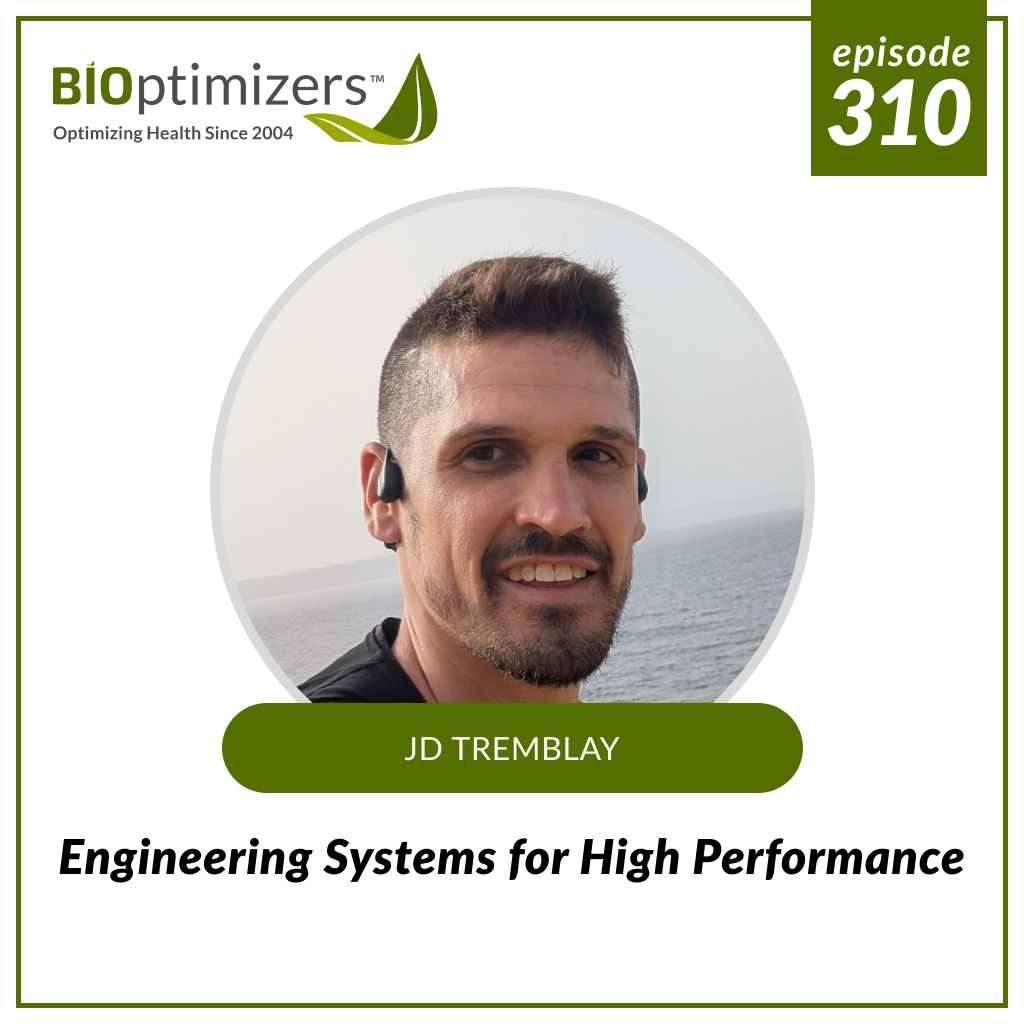
JD Tremblay is one of the few people to complete the Epic Deca challenge. This feat involved ten consecutive Ironman distance triathlons across the islands of Hawaii. His journey proves that high performance is accessible to anyone who moves from theory to tested systems. He combines military experience with engineering to create a blueprint for…
Read More309: Can Harder Workouts Backfire? – with Molly McNamee
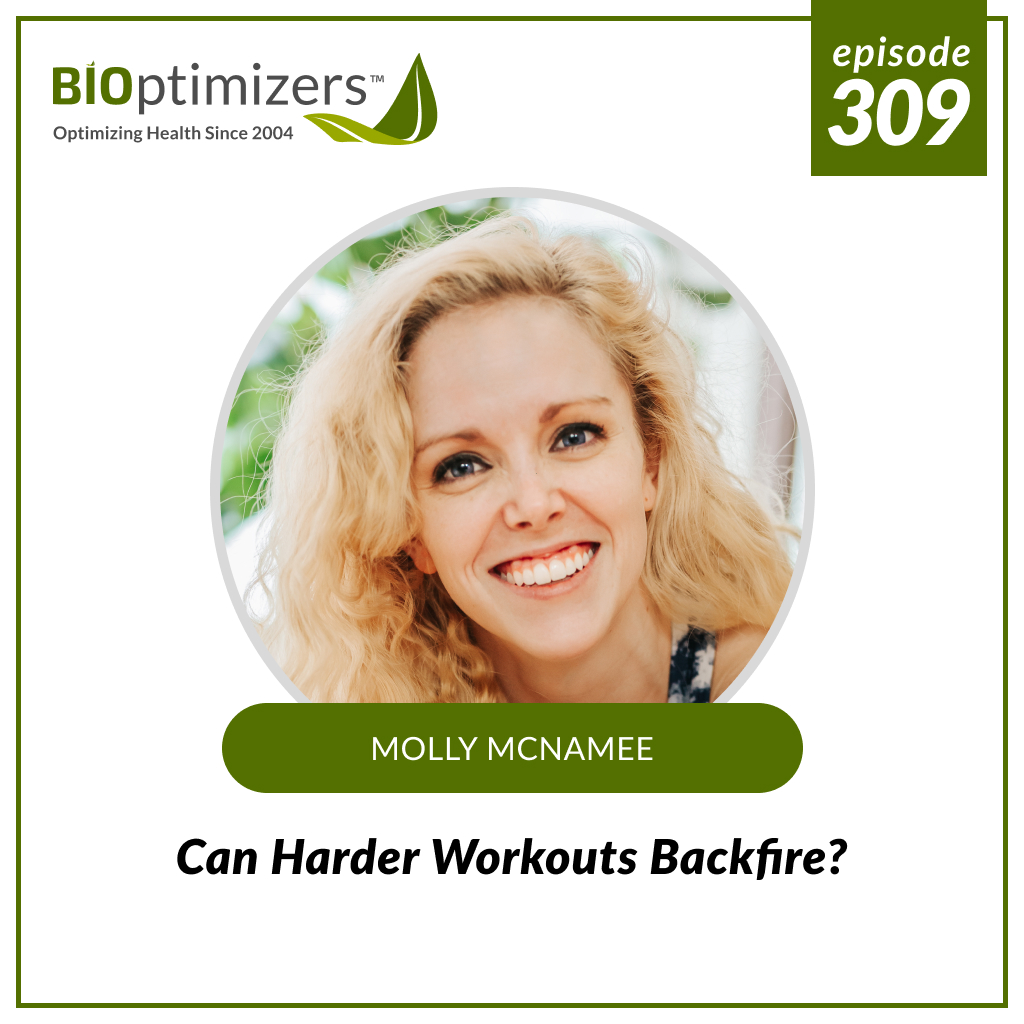
You eat clean and hit the gym twice a day. Yet, you feel bloated, tired, and the scale won’t budge. You aren’t doing anything wrong. Your body is simply reacting to chronic stress. When Effort Hurts Your Progress For many people, eating less and moving more works fine. However, high-achieving women under a lot of…
Read More308: Your DNA Health Success Blueprint – with Sam Shay
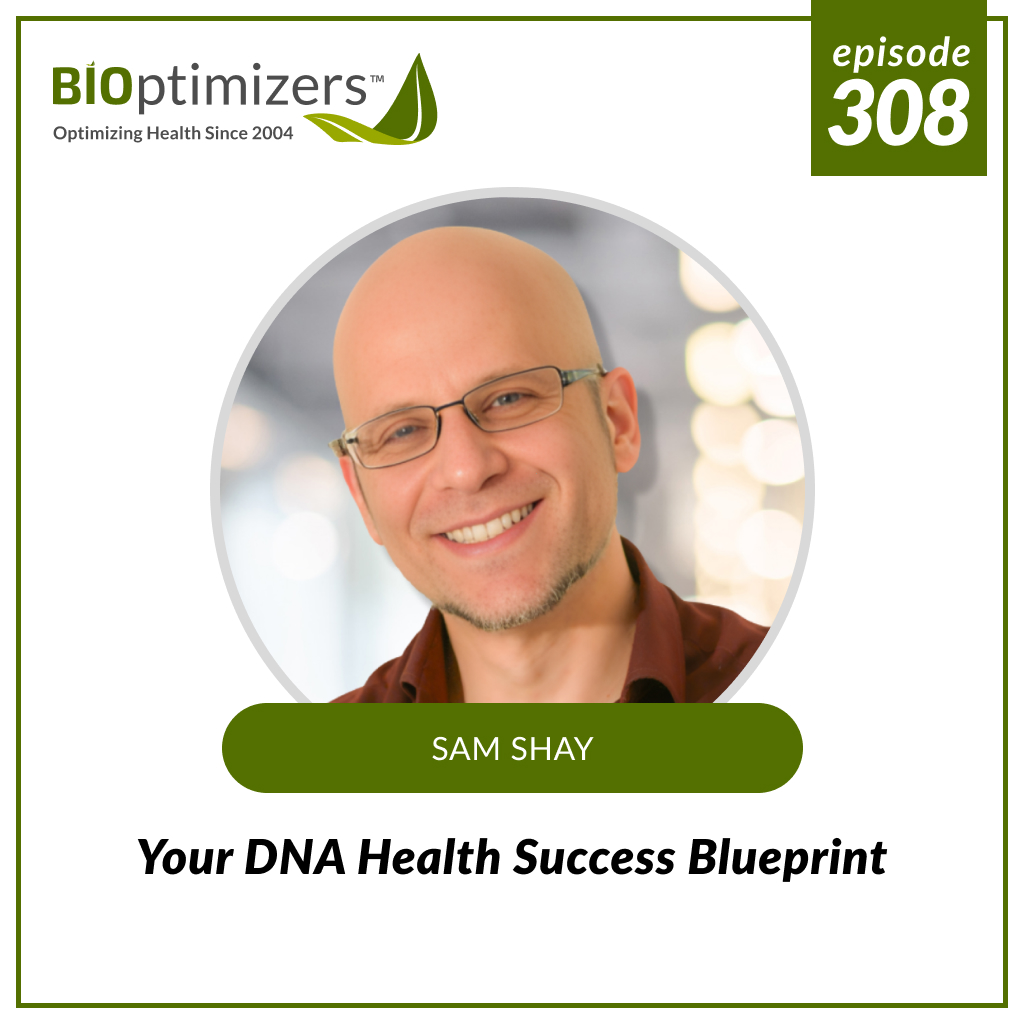
According to Dr. Sam Shay, functional genetics isn’t genealogy or disease-gene testing. It’s what Shay calls “terrain” genetics — identifying the upstream drivers of disease before they cascade into diagnosable conditions. As Shay shared, “Genetics testing is the cheapest, most high-value test anyone can do because done once, you have the results for life.” Understanding…
Read More307: Peak Cellular Healing Breakthroughs – with Caleb Granger
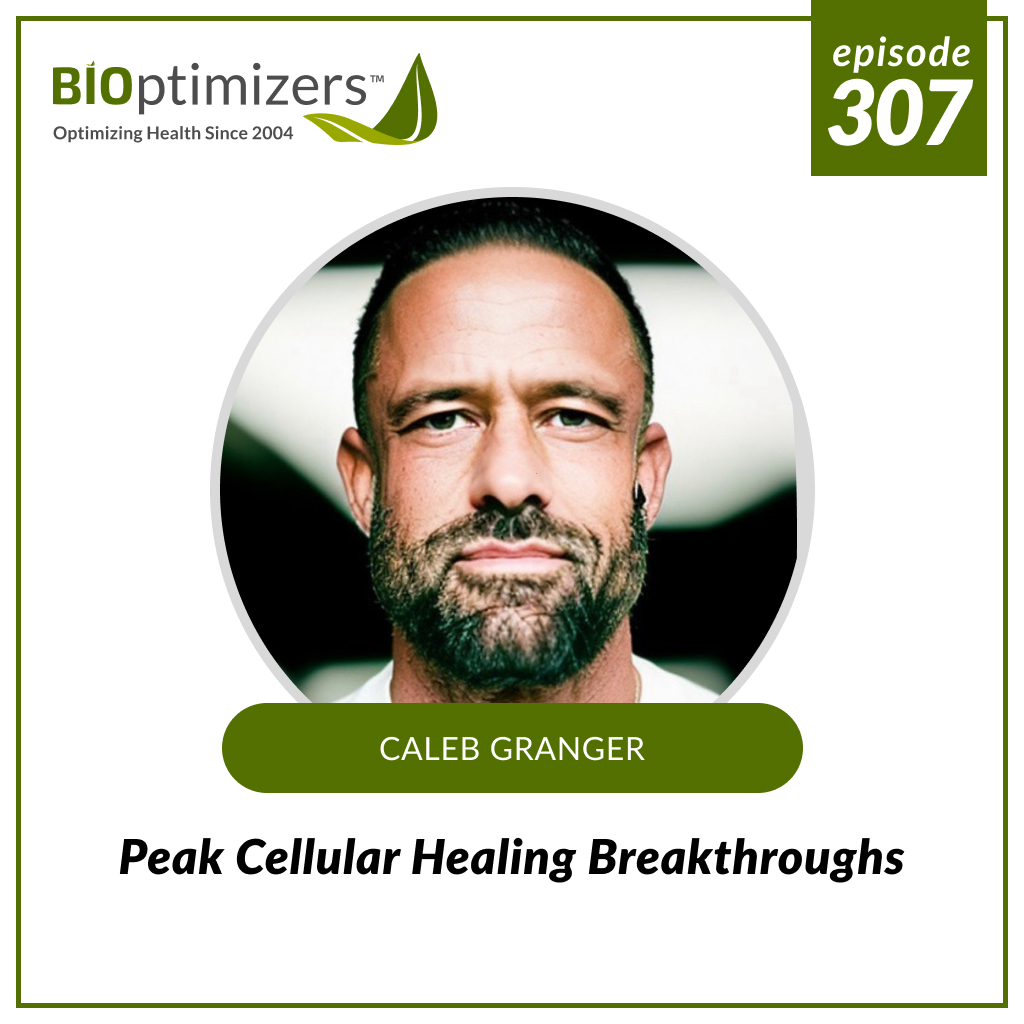
Traditional medicine is transitioning from pharmaceuticals to advanced cellular signaling. Caleb Granger discovered that most stem cell treatments fail because the cells die almost immediately after being introduced. The Signal Driven Secret to Healing The real power lies in the messengers those cells release before they disappear. These tiny particles, known as exosomes, carry thousands…
Read More306: Protecting Your Digital Vision – with Pam Theriot
Most people look at screens day and night. We often think that the dry or tired feeling we have at night is just normal exhaustion. However, this is a clinical condition that can change your physical well being. Experts warn that our modern habits are fundamentally altering how our bodies function every day. How Screen…
Read More305: Mastering Your Internal Health – with Dr. Torkil Færø
Today, the greatest health threats come from within rather than external sources. Dr. Torkil Færø, an emergency physician, believes that most hospital visits result from specific lifestyle choices. He suggests that personal data devices like Garmin or Oura act as essential tools for navigating our well-being. These wearables allow individuals to monitor internal stress levels…
Read More