SHOP NOW
301: The Menopause Gut Connection – with Cynthia Thurlow
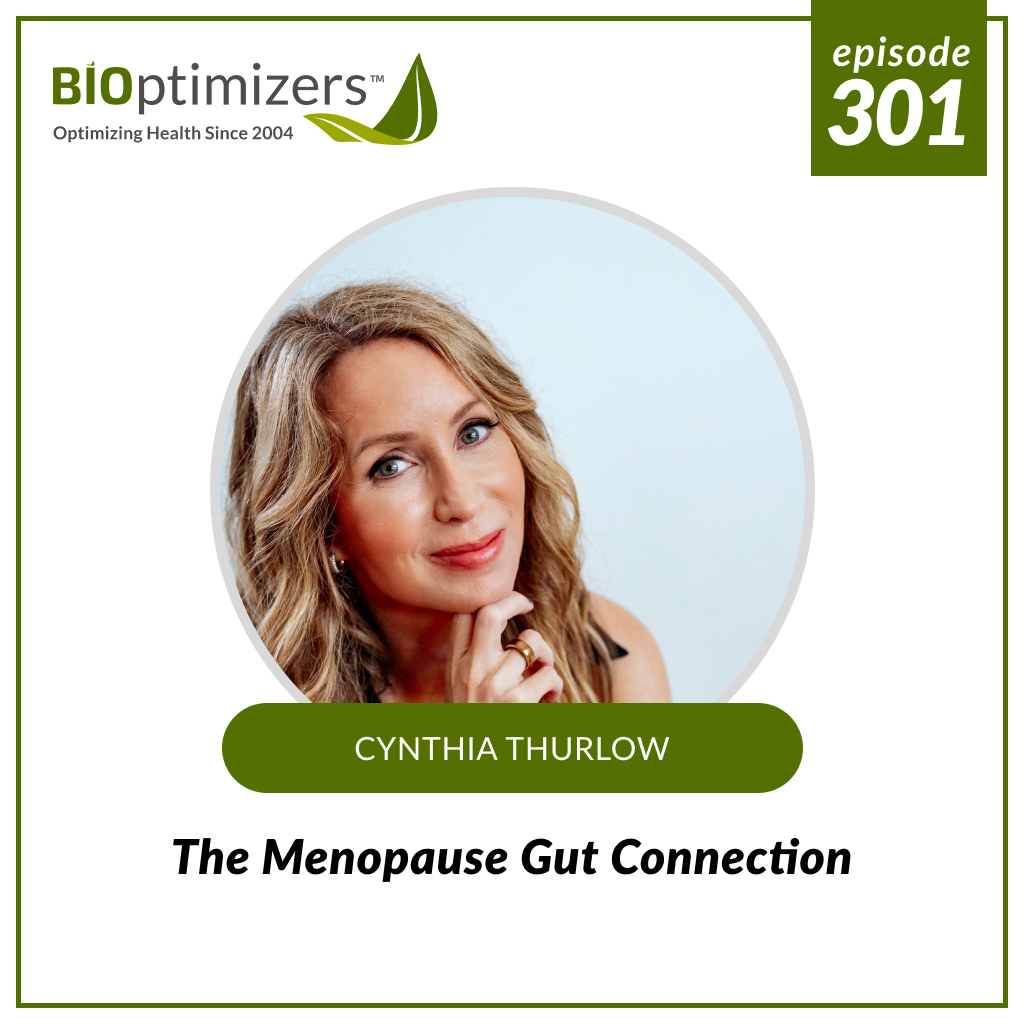
The conversation around menopause is evolving toward a more holistic understanding of this transition. One crucial, yet often overlooked, aspect is the profound connection between menopause and gut health. Nurse practitioner Cynthia Thurlow is shedding light on what she terms the “menopause gut” to help women navigate this stage with vitality.
The Gut-Hormone Connection
Hormonal shifts during perimenopause and menopause have a direct and significant impact on the gut microbiome. This complex ecosystem of trillions of microbes is intricately linked to nearly every system in our body. As Thurlow explains, the gut intersects with every organ system, including the lungs, skin, and ovaries.
Impact of Declining Estrogen
As estrogen levels decline, the diversity of the gut microbiome begins to change. This often leads to an increase in inflammatory bacteria and a decrease in beneficial bacteria, a state known as dysbiosis. This imbalance can lead to a reduction in short-chain fatty acids, which are crucial for reducing inflammation and regulating blood sugar.
Understanding the Gut-Brain Axis
The gut and brain are closely connected through the gut-brain axis. Because the bulk of our neurotransmitters are produced in the gut, an unhealthy microbiome directly impacts mood and cognitive function. This connection often contributes to the anxiety, depression, and brain fog many women experience.
Symptoms of Menopause Dysbiosis
Common indicators of a “menopause gut” include bloating, digestive discomfort, and weight loss resistance. Changes in the microbiome affect metabolism and insulin sensitivity, making it harder to maintain a healthy weight. Women may also experience fatigue and joint pain caused by systemic inflammation originating in the gut.
Actionable Strategies for Health
The gut microbiome is incredibly resilient, meaning women can take proactive steps to support their health. Thurlow recommends prioritizing sleep and managing stress to prevent “leaky gut” and elevated stress hormones. Additionally, focusing on a nutrient-dense diet rich in protein and fiber can fuel beneficial bacteria and support muscle mass.
In this podcast you’ll discover…
- How declining estrogen levels directly alter gut microbiome diversity.
- The role of short-chain fatty acids in reducing inflammation and regulating blood sugar.
- Why the gut-brain axis impacts symptoms like brain fog and mood swings.
- The connection between gut-driven systemic inflammation and menopausal joint pain.
- How prioritizing protein and fiber can support metabolic health and muscle mass.
- The impact of sleep and stress management on maintaining the intestinal lining.
EPISODE RESOURCES:
Pre-order The Menopause Gut book HERE